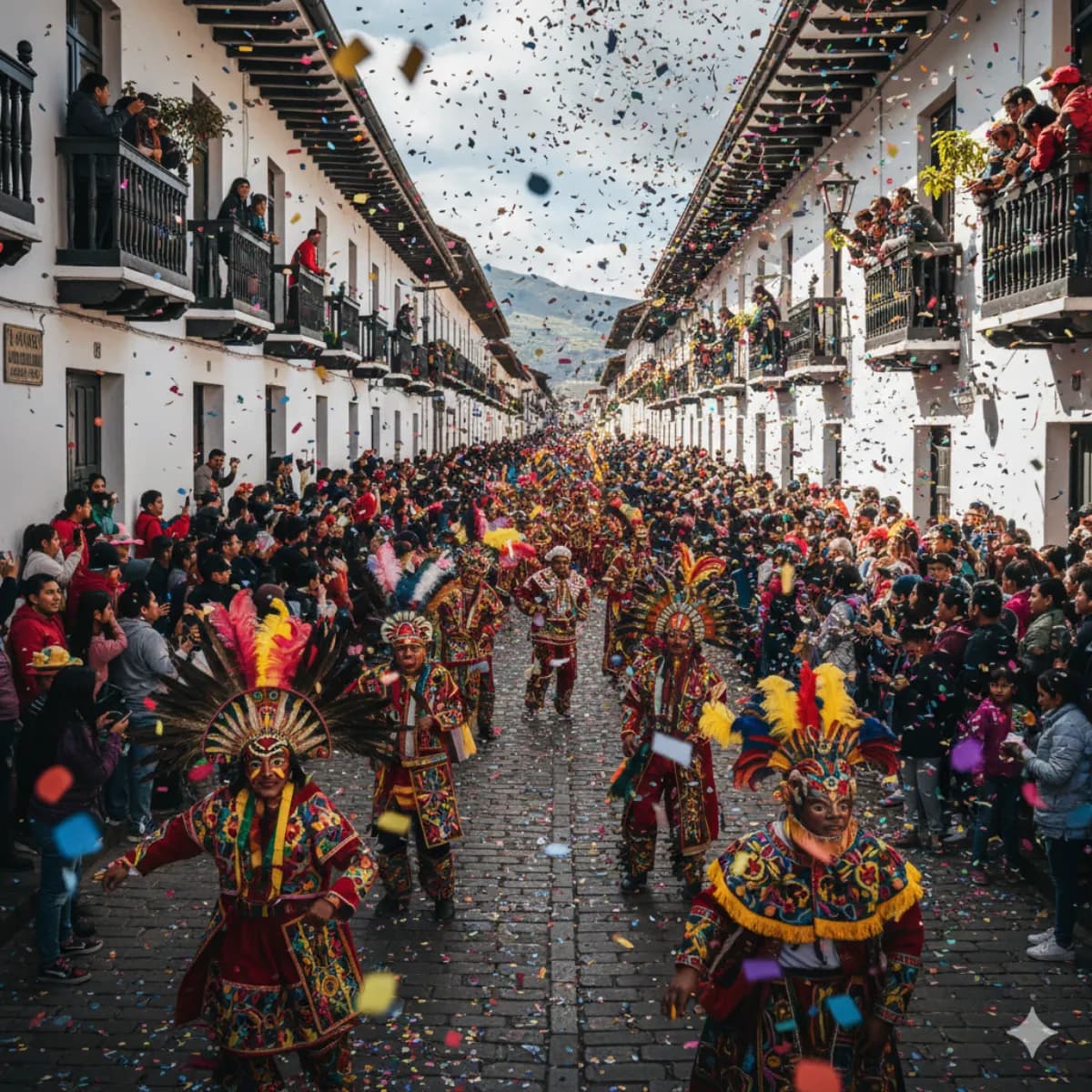
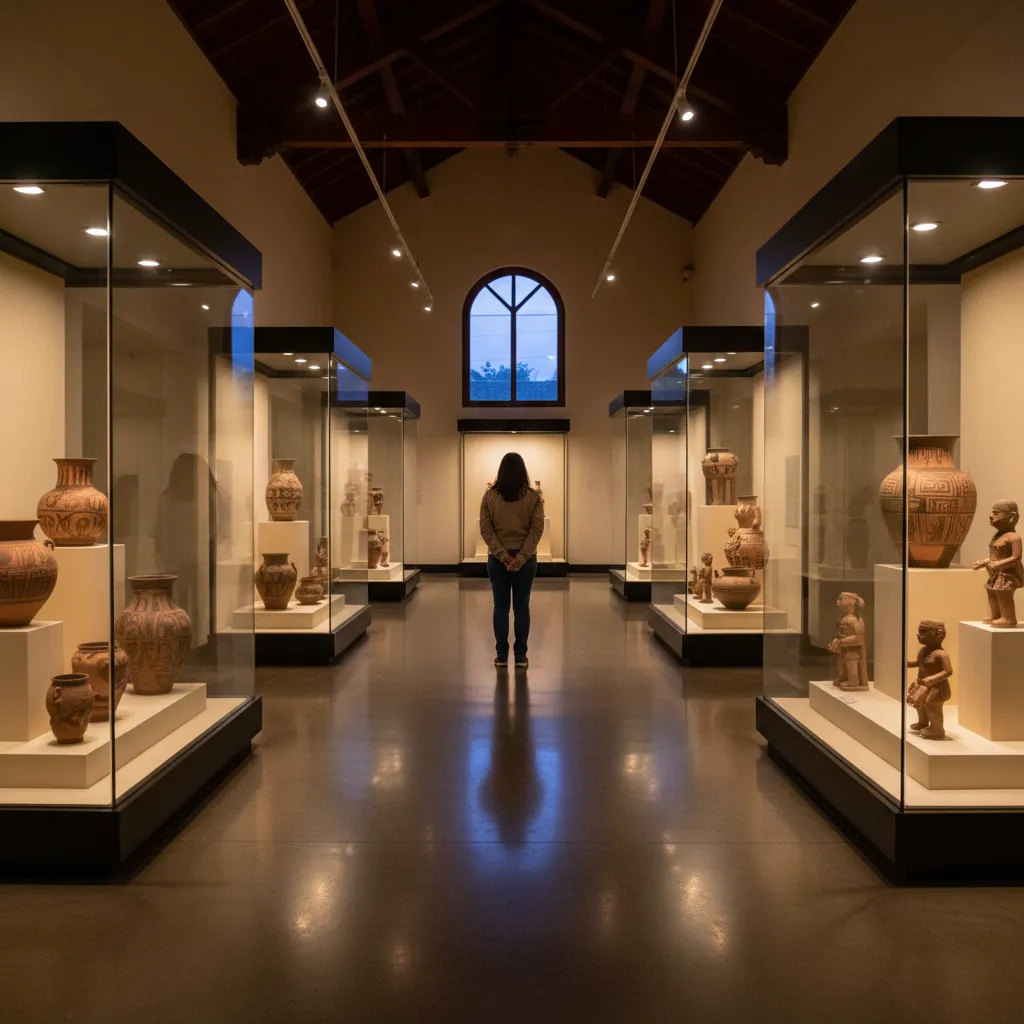
What Did Cuencanos Eat in the 1700s? Pumapungo Has a Workshop on That This Thursday

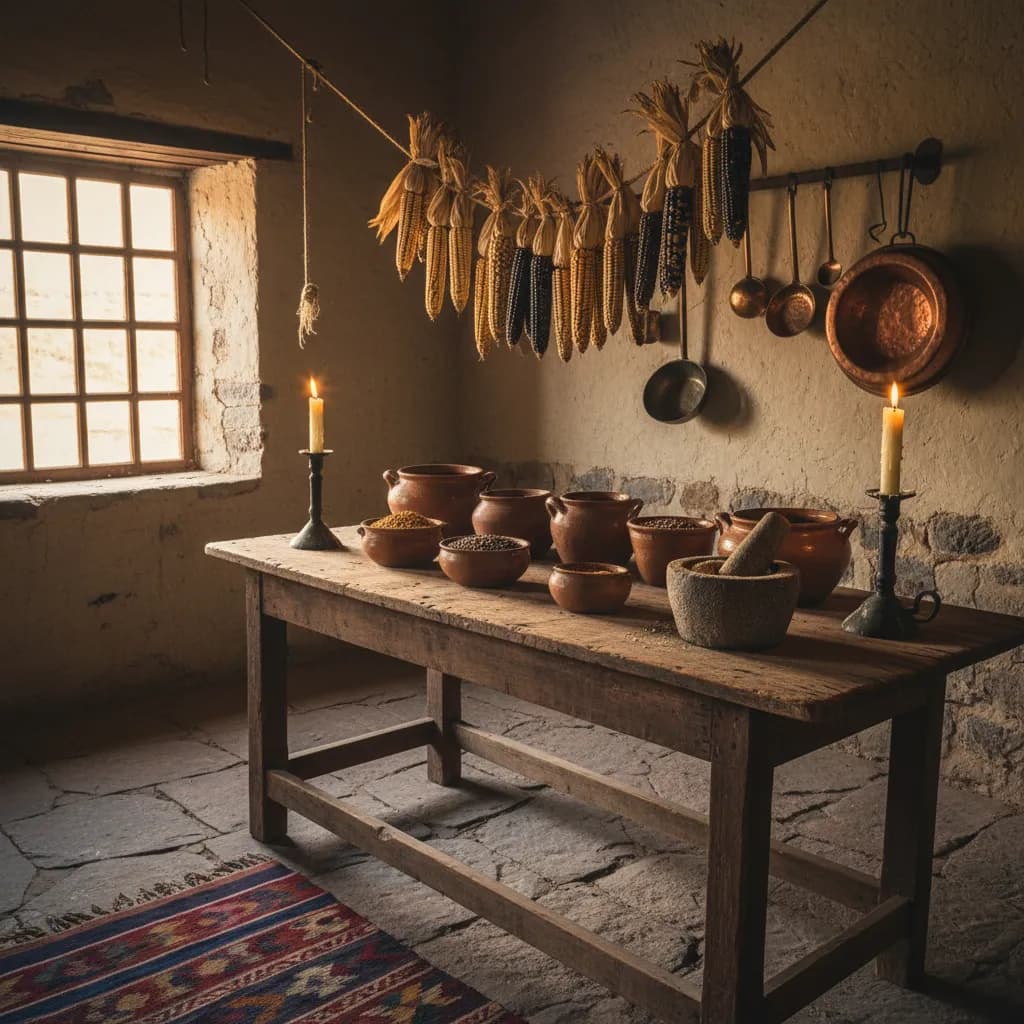
Cuenca's Museo Pumapungo is hosting a workshop this week that's right in the sweet spot of what makes the city interesting: a guided look at what life — and dinner — looked like here in the 1700s.
The Details
- Date: Thursday, May 14, 2026
- Time: 3:00 PM
- Venue: Sala Comunitaria del Museo Pumapungo
- Topic: "Cocina y vida cotidiana en los Andes del siglo XVIII" — Cooking and Daily Life in the 18th-Century Andes
- Led by: Historian and cultural researcher Juan Martínez Borrero
Martínez Borrero recently published a book on colonial-era cuisine in the old Audiencia de Quito — so this isn't a generic museum talk; it's coming from someone who has spent years in the archives.
What You'll Actually Learn
According to El Mercurio, the session looks at "la vida cotidiana en los Andes a través de la cocina, los ingredientes, los utensilios y las dinámicas sociales" — daily life in the Andes seen through kitchens, ingredients, utensils, and the social rhythm of the household.
If you've ever wondered why mote shows up at every Cuenca lunch, how pigs and corn became the protein-and-starch base of the local kitchen, or why you can still find clay pots at the Feria Libre that look like something from a museum case — this is the long version of the answer.
Practical Tips for Expats
- The article doesn't mention a fee or pre-registration requirement. If you want to be sure of a seat, call the museum ahead of time.
- Pumapungo is on Avenida Huayna-Cápac, just steps from the Tomebamba river. Easy walk from El Centro.
- It's a workshop, not a lecture — expect smaller-group format, questions, and conversation, not just slides.
- The session is in Spanish. Intermediate Spanish should get you most of it; bring a curious friend who's stronger if you want to catch the historical fine print.
Why It Matters
Cuenca's food culture isn't a museum piece — it's still on every menu. But the why behind it tends to get lost. Workshops like this are how you connect the bowl of locro on your table to four centuries of household survival, trade, and adaptation.
What to Watch
Pumapungo has been programming more public-facing cultural sessions this year. If this one fills up, expect follow-ups on other eras — republican-era Cuenca, pre-colonial Cañari cooking, mid-20th-century markets.
Source: El Mercurio
Keep Cuenca's daily expat briefing independent.
Reader support helps pay for reporting, translation, editing, hosting, and the daily work behind CuencaExpat.