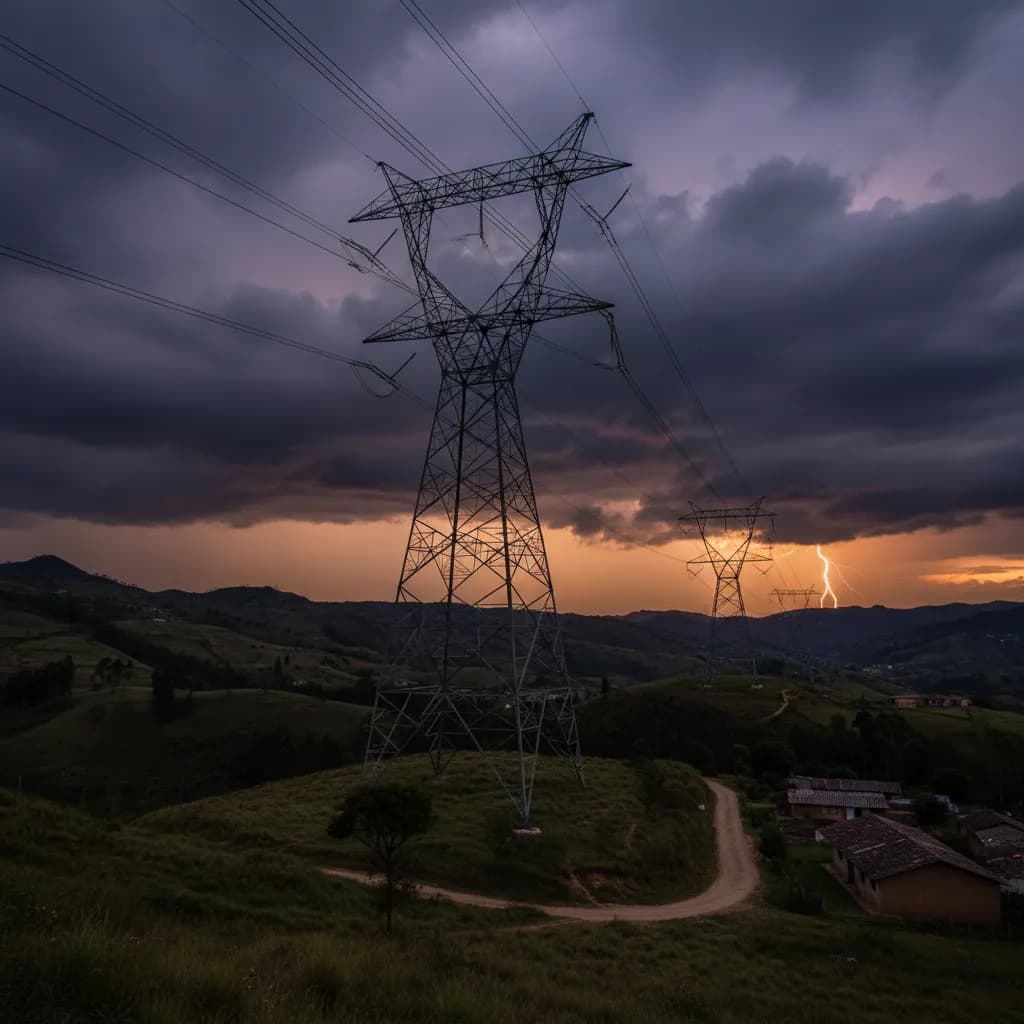
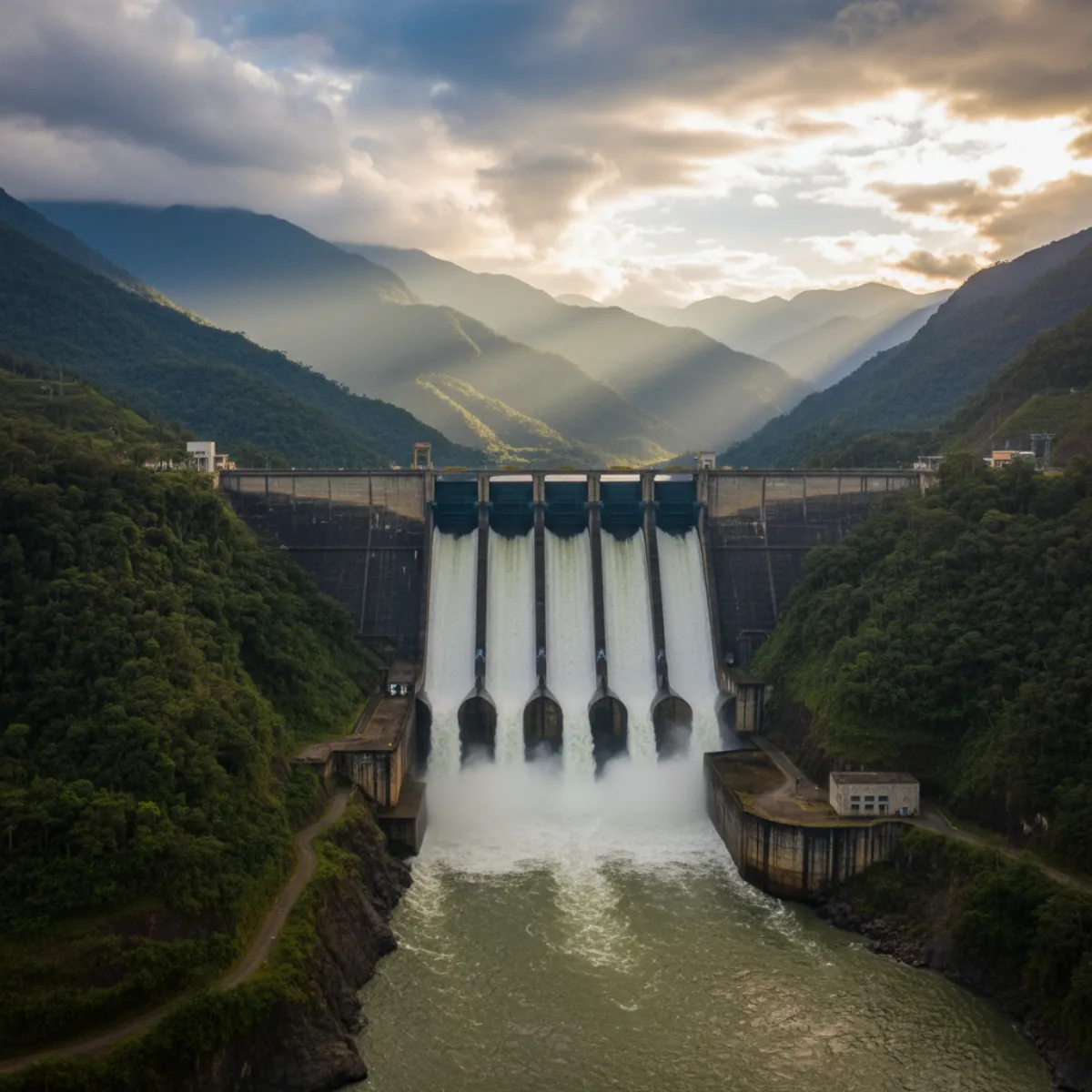
Ecuador Will Accept Its Largest Hydroelectric Plant by April 17 — Despite 7,600 Cracks

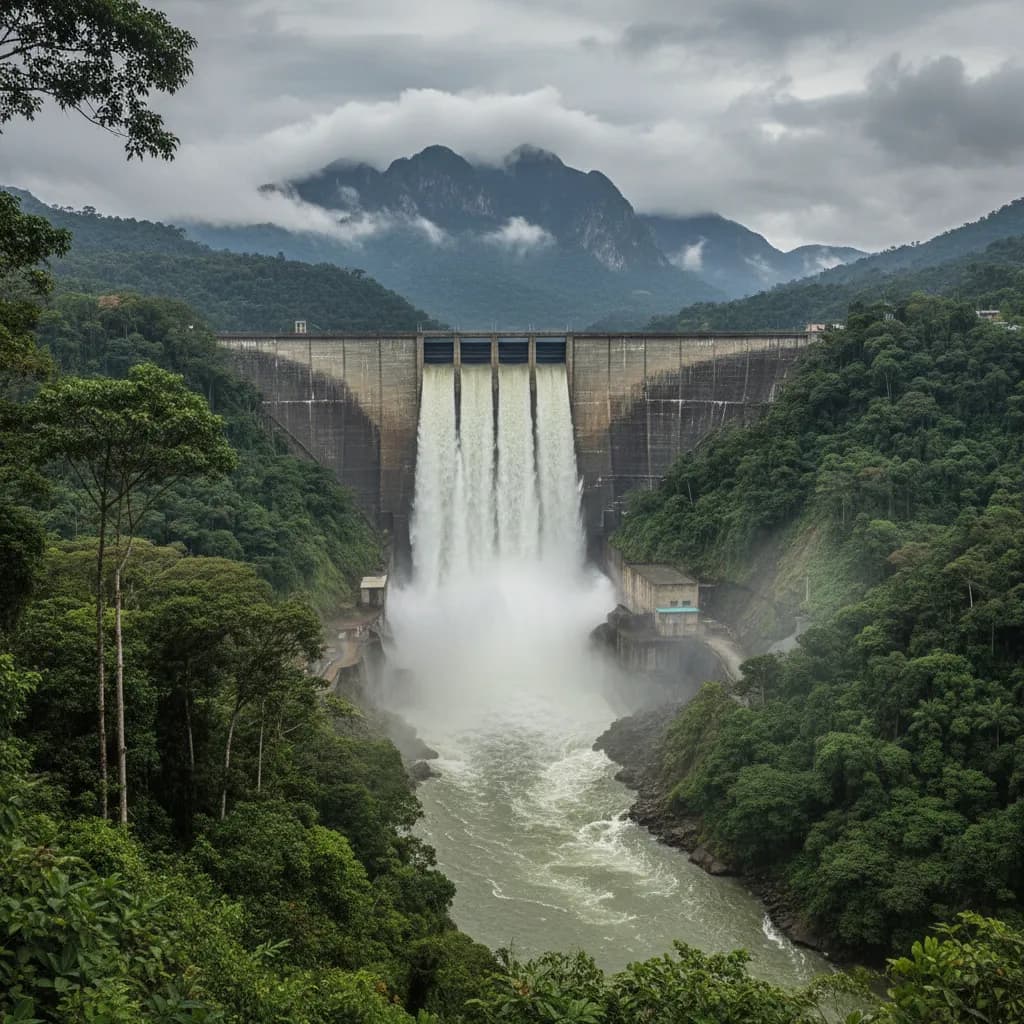
What's Happening
Ecuador is about to formally accept the Coca Codo Sinclair hydroelectric plant from its Chinese builder, Sinohydro, by April 17, 2026 — ending a decade-long saga of construction defects, international arbitration, and operational headaches.
The problem? The plant still has more than 7,600 fissures in its water distributors, according to a 2018 Comptroller's Office report that ordered the cracks repaired before formal reception. Those repairs were never completed.
Sinohydro and Ecuador's state electricity company Celec reached a settlement through the International Chamber of Commerce (ICC) tribunal on March 30, 2026. The settlement effectively allows Ecuador to accept the plant as-is. In exchange, Celec will release approximately $200 million in performance guarantees back to Sinohydro.
Why This Plant Matters
Coca Codo Sinclair is Ecuador's largest power plant — a 1,500 megawatt facility that was supposed to transform the country's energy matrix when it was inaugurated in November 2016. It was built with Chinese financing and Chinese construction, and it was supposed to make Ecuador an energy exporter.
Instead, it has operated at less than half its capacity for most of its existence. The fissures in the distributors, erosion along the Coca River threatening the plant's water intake, and repeated equipment failures have turned what was supposed to be a national pride project into a cautionary tale about megaproject risk.
What This Means for Cuenca
- Your electricity comes from two main systems: the Paute hydroelectric complex (fed by Cuenca's rivers) and the broader national grid, which includes Coca Codo Sinclair. When Coca Codo underperforms, it puts more pressure on Paute — and that's when blackout risk rises
- The 2024 blackouts that hit Cuenca and the rest of Ecuador were partly caused by Coca Codo Sinclair's inability to produce at capacity during a drought. Accepting the plant with unfixed defects doesn't solve the underlying performance problem
- The good news: Cuenca's recent rains are helping Paute reservoir levels. But the national grid remains vulnerable if Coca Codo can't deliver its rated output
- The $200 million in returned guarantees is money Ecuador could have used to compel repairs. Once it's returned, the leverage is gone
- Bottom line: Ecuador's power infrastructure remains fragile. Keep your flashlights charged and your emergency kit ready, especially heading into the dry season later this year
Sources: Primicias, Expreso, El Comercio
Keep Cuenca's daily expat briefing independent.
Reader support helps pay for reporting, translation, editing, hosting, and the daily work behind CuencaExpat.