Cuenca Moves to Ban Public Drug Use — What the New Ordinance Would Do

What's Being Proposed
Cuenca's city council is reworking an existing ordinance — the Ordenanza que Regula la Utilización de los Bienes de Uso Público del cantón Cuenca — to explicitly address drug consumption in parks, plazas, and other public spaces.
The push is coming from Jenny Bermeo, the councilor who presides over the city's Security and Citizen Coexistence Commission. The framework was originally floated by Mayor Cristian Zamora. Per El Mercurio, Bermeo said: "Hemos estado trabajando en la propuesta que hizo el mismo alcalde" — they've been developing what the mayor proposed.
The Target: Marijuana
The National Police have identified marijuana as the most consumed drug in public spaces across the city — and that's the behavior this ordinance is built around. A doctor and addiction prevention researcher, Irma Vega, was consulted in the drafting process.
Why hasn't something like this passed already? Because Ecuador's national tabla de drogas — the threshold table that determines what counts as personal consumption versus trafficking — sits in a gray zone that's made municipalities hesitant to enforce possession-related rules. Cuenca is trying to thread a needle: regulate public consumption, not possession itself.
What the Penalties Look Like
The proposed fines are tied to the Salario Básico Unificado (SBU) and fall in a familiar range:
- 10% to 15% of one SBU
- Between $46 and $69
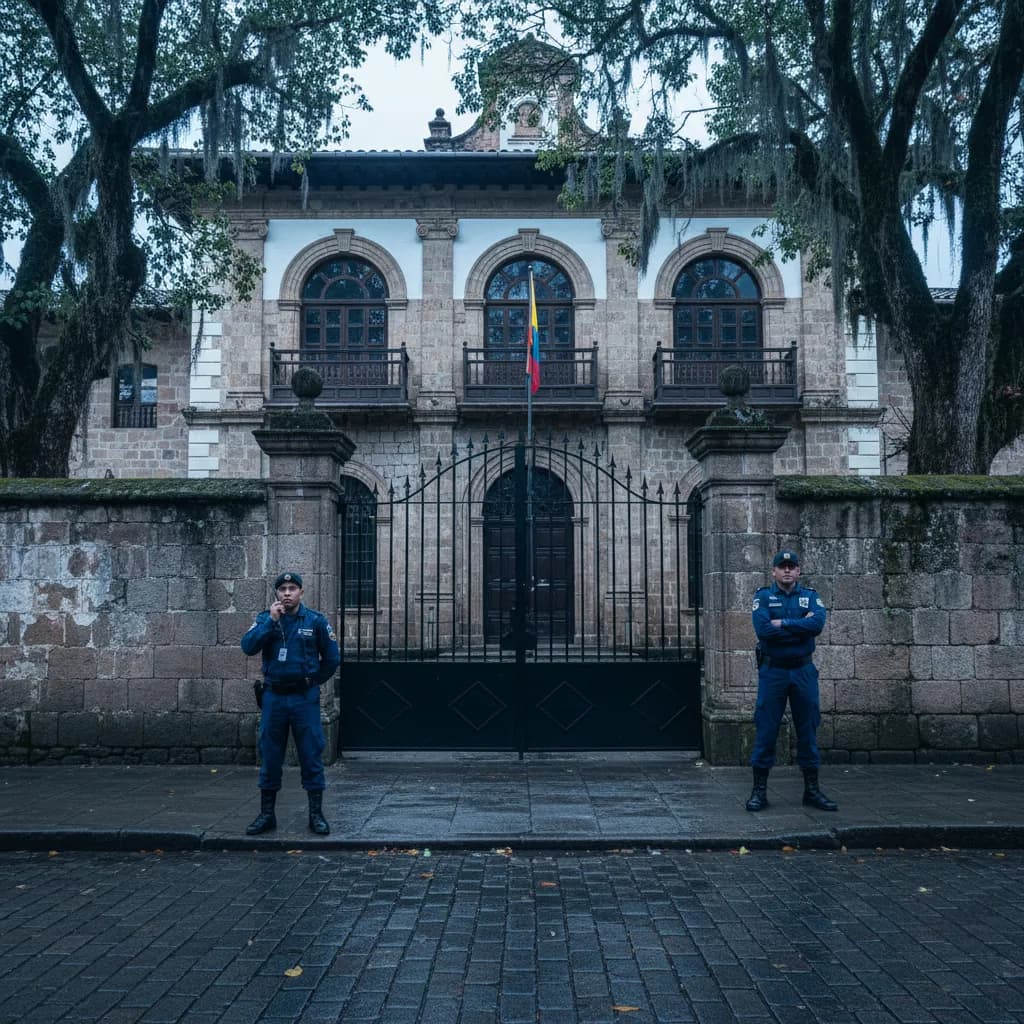
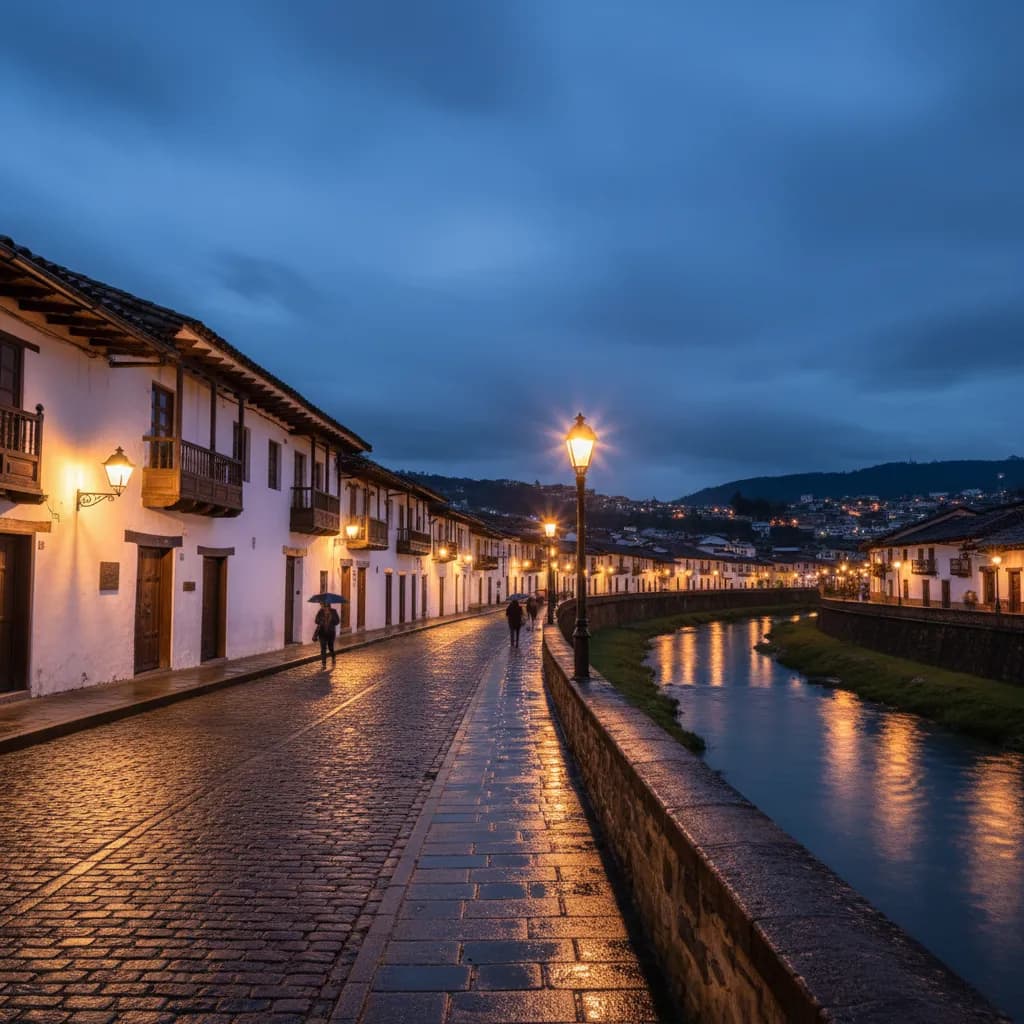
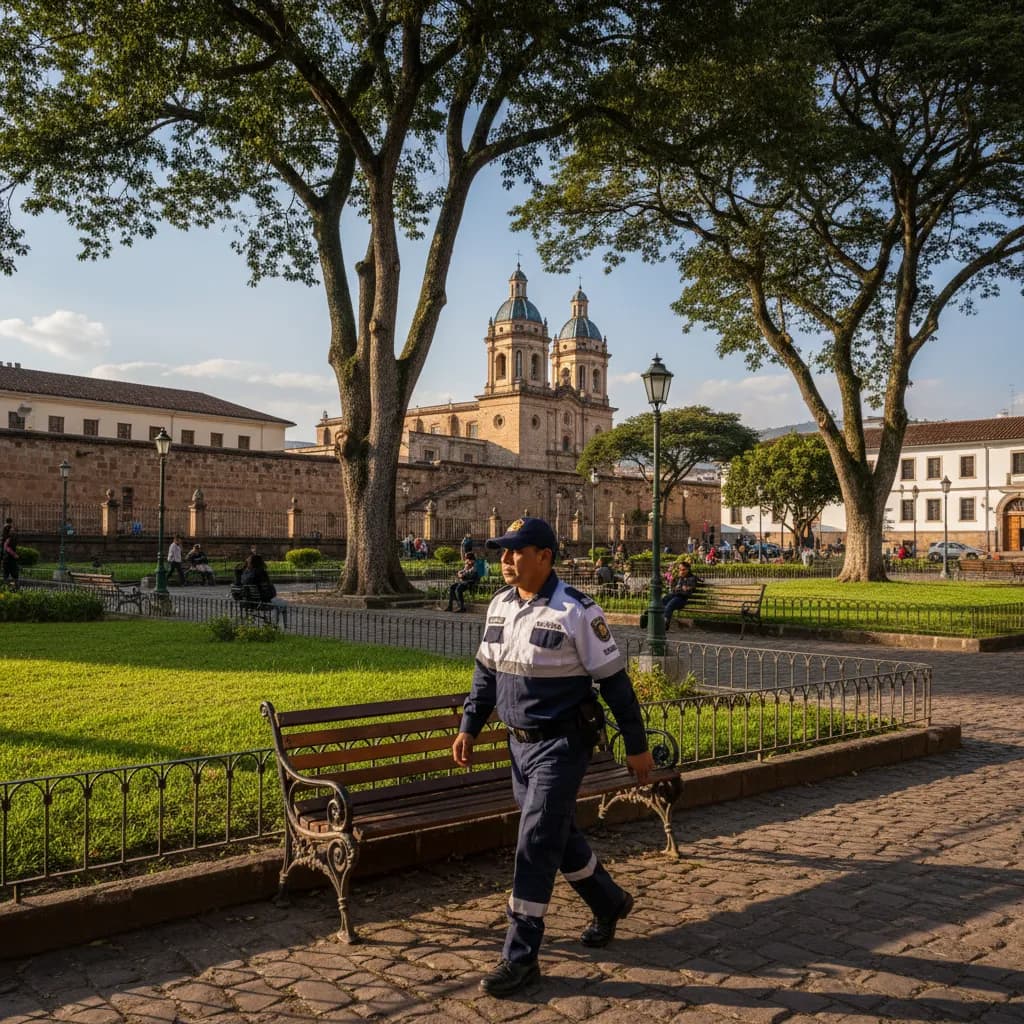
The Guardia Ciudadana de Cuenca (GCC) — the municipal civil security force you see patrolling in El Centro, not the National Police — would carry out enforcement. If you've interacted with GCC officers, they're the ones in the blue-and-gray uniforms walking Parque Calderón and the Tomebamba riverfront.
What This Means for You
- Nothing's in effect yet. The ordinance is still being developed. It hasn't been passed, and there's no approval timeline public.
- When it does land, it's about where, not whether. The ordinance targets public-space consumption. What happens on private property is outside this rule's scope.
- Expect more visible GCC presence in parks and plazas if it passes. The places expats tend to frequent — Parque Calderón, the Tomebamba riverwalk, Parque de la Madre — would be exactly where enforcement would be most visible.
- Fines in this range are enforceable on foreigners. A $46–69 fine is small but documented. If you accumulate civil fines, they can surface later during visa renewals. Pay any notifications promptly.
The bigger picture: Cuenca has been wrestling for a couple of years now with how visible drug use has become in certain public areas, especially near the universities and in El Centro at night. This is the city's attempt to give itself an enforcement tool without waiting for Quito to sort out the national drug framework.
We'll update when the ordinance moves to a vote.
Source: El Mercurio
Keep Cuenca's daily expat briefing independent.
Reader support helps pay for reporting, translation, editing, hosting, and the daily work behind CuencaExpat.