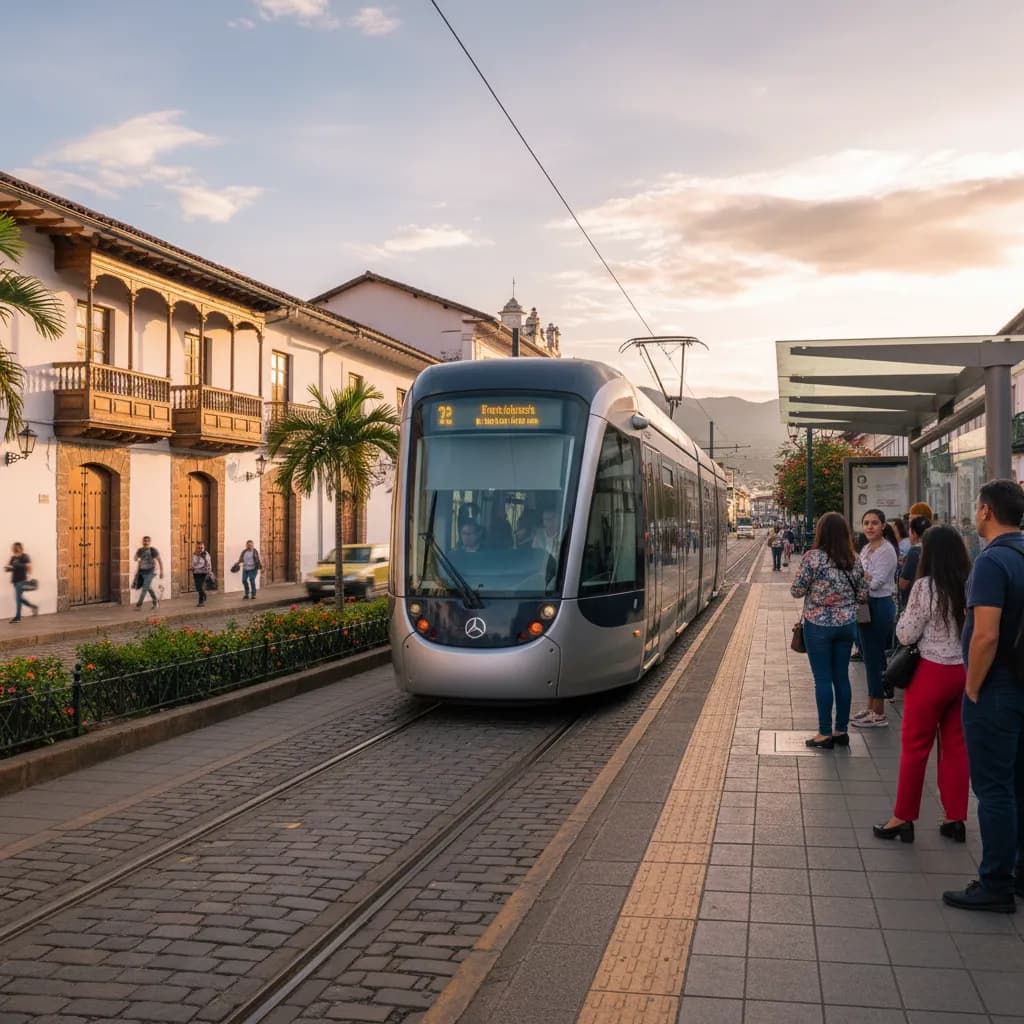
Cuenca's Tram Hits Record Ridership — 42,000 Passengers in One Day, and the Subsidy Is Shrinking

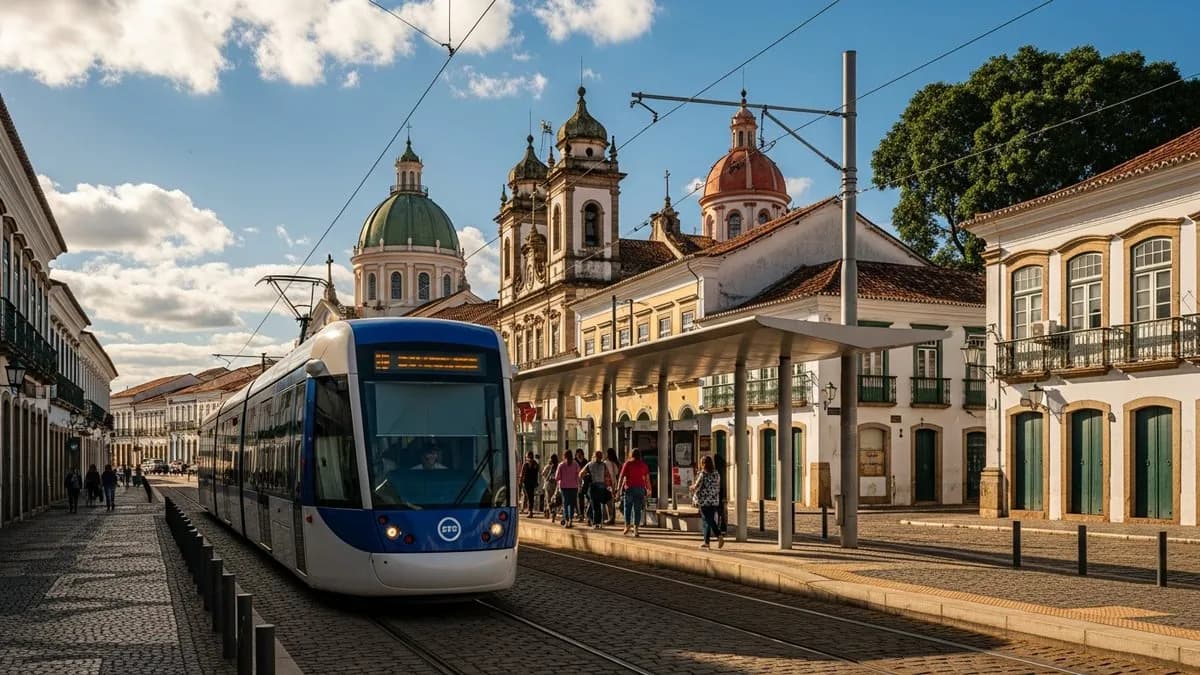
The Tram Is Actually Working
Love it or hate it — and plenty of Cuencanos still hate it — the tranvía is having a moment. The numbers are in, and they tell a story that even the tram's biggest critics have to acknowledge: ridership is climbing, the subsidy is falling, and the system is creeping toward something resembling financial sustainability.
The Numbers
| Metric | Figure |
|---|---|
| Record single-day ridership | 42,000 passengers (December 24, 2025) |
| Average weekday ridership | ~27,000 passengers |
| Annual municipal subsidy (2025) | ~$1.5 million |
| Monay overpass progress | 24% complete |
| Monay overpass expected opening | September 2026 |
That December 24 number is significant. It was Christmas Eve — when Cuencanos flood the city for last-minute shopping, family gatherings, and the Pase del Niño preparations. The fact that 42,000 people chose the tram on one of the busiest days of the year shows it's become a real transportation option, not just a curiosity.
The Subsidy Story
When the tranvía first launched, critics hammered the operating costs. The city was subsidizing the system heavily — the $0.35 fare (now $0.30 for seniors and students) didn't come close to covering operating expenses.
That gap is shrinking. The annual subsidy has dropped to approximately $1.5 million, down from significantly higher levels in the tram's early years. More riders means more fare revenue, which means less pressure on the municipal budget.
For context: $1.5 million is real money, but it's a fraction of what cities worldwide spend subsidizing public transit. (New York's MTA loses billions annually. Cuenca's tram subsidy is a rounding error by comparison.)
The Monay Overpass — Finally
One of the tram's biggest headaches has been the Monay intersection at the eastern end of the line, where tram tracks cross a major traffic artery. The resulting congestion has been a constant source of frustration for drivers.
The fix — a vehicular overpass that separates car traffic from the tram — is now 24% complete and expected to open in September 2026. When it's done, it should eliminate one of the worst bottlenecks on the east side of the city.
If you drive through Monay regularly, expect continued construction disruption through the summer, but relief is coming.
Police Crackdowns on Motorcycles
In related transit news, police have set up permanent motorcycle checkpoint operations at three key tram stations:
- Terminal Terrestre (the bus terminal)
- Las Orquídeas
- Miraflores
These checkpoints target unlicensed motorcycles, expired plates, and riders without helmets — all common issues in Cuenca. If you ride a motorcycle, make sure your paperwork is current before heading through these areas.
What This Means for Expats
The tram runs from Parque Industrial in the southwest to the Terminal Terrestre in the northeast, cutting through El Centro along Calle Gran Colombia. If you haven't ridden it yet:
- Fare: $0.35 (general), $0.30 (seniors/students — cedula required)
- Hours: Roughly 6:00 AM to 10:00 PM, every 6-8 minutes during peak hours
- Best use case: Getting from El Centro to the bus terminal, or from Feria Libre to the historic center without dealing with traffic
- Payment: You need a rechargeable tram card, available at any station kiosk
The tram won't replace your car for grocery runs or weekend trips. But for getting across the urban core without sitting in traffic on Gran Colombia? It's genuinely useful — and getting more so every month.
Source: CuencaHighLife
Keep Cuenca's daily expat briefing independent.
Reader support helps pay for reporting, translation, editing, hosting, and the daily work behind CuencaExpat.
More in News
View all →Cuenca Residents Face Rising Market Prices, Azuay Governor Warns Against Speculation
October 15, 2026
Gapal Interchange Project Faces Claims Amidst Bidding Process in Cuenca
September 21, 2026
Azuay Prosecutors Request Hearing for Suspended Cuenca Mayor Cristian Zamora Amid Health Travel Announcement
September 21, 2026