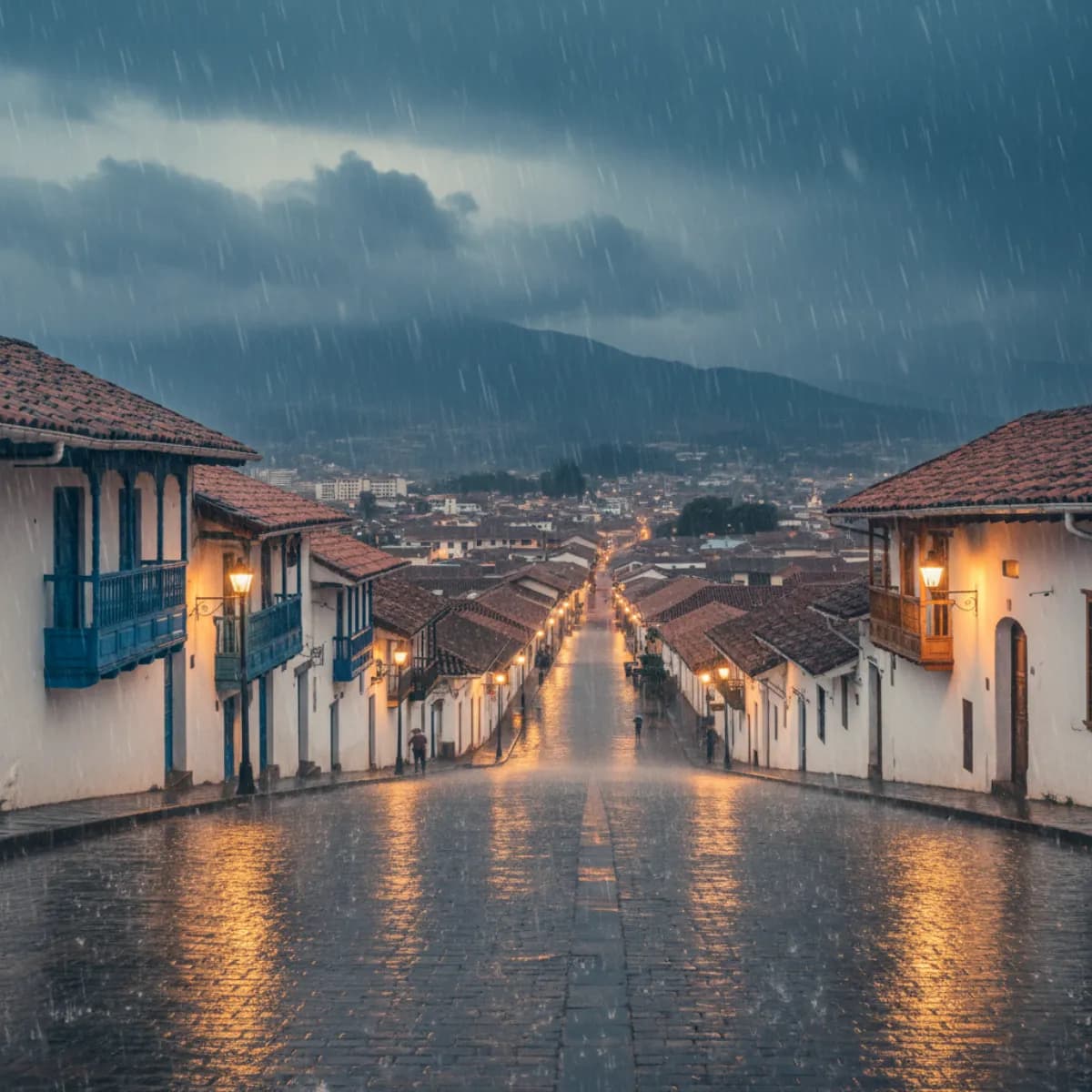
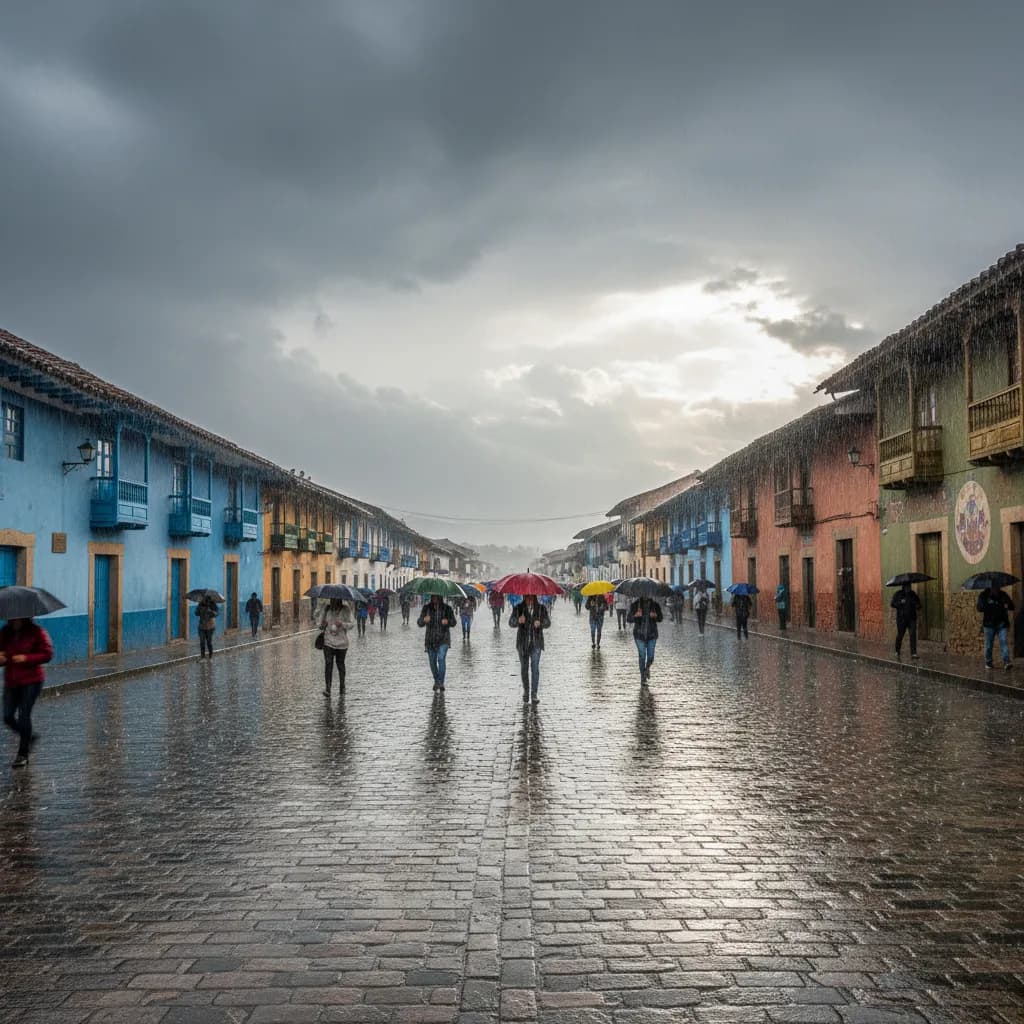
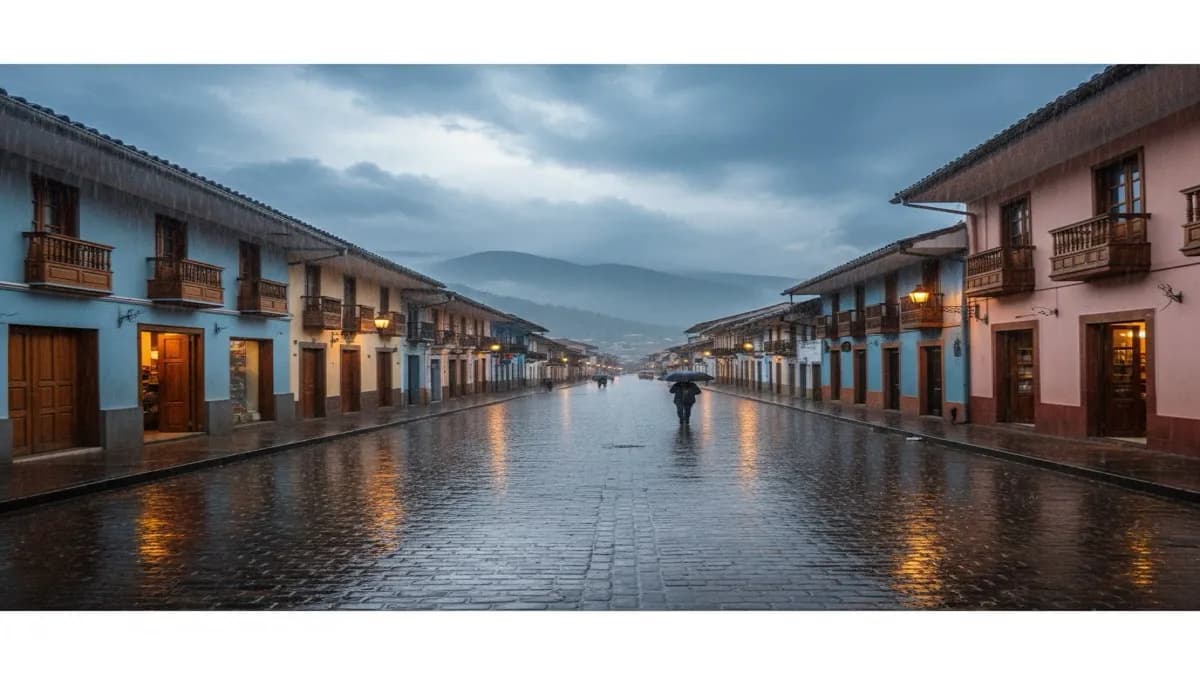
Heavy Rains Pummel Ecuador — 400 Floods Since January, But the Silver Lining Is Your Electricity

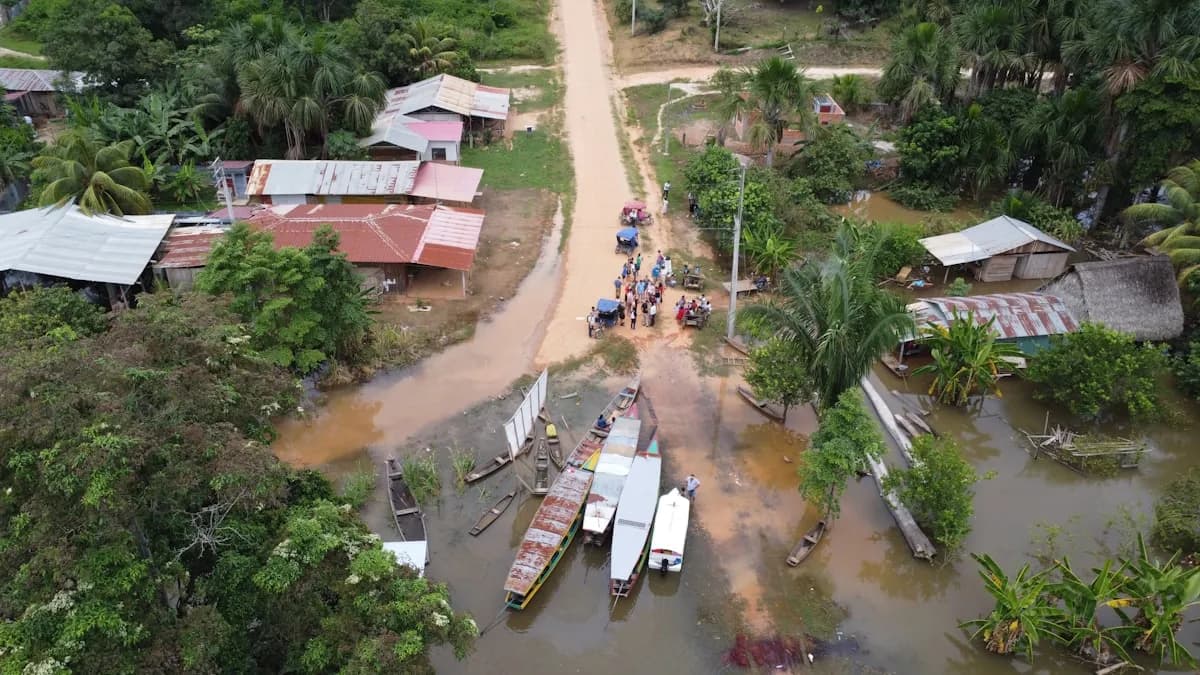
The Rains Are Here — And They're Not Messing Around
If you've been living in Cuenca through February and early March, you've noticed: the afternoon downpours have been intense, consistent, and sometimes violent. Streets flood, the rivers rise, and the Cajas gets socked in with clouds.
But this isn't just a Cuenca story. Across Ecuador, the 2026 rainy season has been one of the most active in recent memory.
The Numbers Are Staggering
Since January 1, according to INAMHI (Ecuador's meteorological agency) and the SNGR (national risk management):
| Metric | Count |
|---|---|
| Flood events | ~400 |
| Landslides | 441 |
| People affected | 21,000+ across 24 provinces |
| Houses damaged | 5,400+ (57 destroyed) |
| Deaths | 3 |
| Injuries | 14 |
A regional emergency has been declared for eight coastal and lowland provinces: Guayas, Esmeraldas, El Oro, Los Ríos, Manabí, Santa Elena, Loja, and Chimborazo.
Azuay is not under emergency declaration, but we're not immune. The Sierra has been getting steady rainfall, and INAMHI issued warnings for intensified rain in the Sierra from March 4-6.
But Here's the Good News
Remember the blackouts of 2024? The 8-to-14-hour daily power cuts that turned Cuenca into a generator-shopping frenzy? That happened because Ecuador's hydroelectric plants — which generate roughly 75-80% of the country's electricity — ran dry during a historic drought.
The 2026 rains are the opposite problem. Reservoirs that were at critically low levels are now refilling rapidly. Most major dams are reporting significantly improved water storage compared to the same period in 2024 and 2025.
President Noboa has publicly vowed to prevent blackouts in 2026, and several backup measures are in place:
- A new 200 MW hydroelectric plant has come online
- Three floating power plants leased from Turkey — massive ship-based generators that sit in port and pump electricity into the grid
- Reservoir levels are trending well above the danger zone
What This Means for You in Cuenca
The Bad
- Road conditions: Expect washed-out sections, especially on rural roads to El Cajas, Girón, and the coast. Drive carefully.
- Landslide risk: The hillsides around Cuenca (Turi, El Valle, Sayausí) are saturated. If you live on a hillside, watch for warning signs: cracking earth, tilting trees, new water seepage.
- River levels: The Tomebamba, Yanuncay, and Machángara are running high. Stay off the riverside paths during and after heavy rain.
The Good
- No blackouts expected: The hydroelectric system is in far better shape than 2024. Barring an extraordinary event at Coca Codo Sinclair (the country's largest plant), your lights should stay on.
- Green everything: The páramo and valleys around Cuenca are spectacularly lush right now. If you can tolerate the rain, March and April are beautiful for hiking between storms.
Practical Tips for Rainy Season
- Keep a flashlight and portable battery charged — just in case
- Avoid low-lying roads during heavy downpours — Avenida de las Américas near the Tomebamba floods regularly
- Check INAMHI alerts on their Twitter/X account before planning outdoor activities
- Don't drive the Cajas in heavy fog or rain unless you absolutely must
- Carry an umbrella everywhere — March afternoons in Cuenca are predictably unpredictable
The rains aren't going anywhere until May. But the good news is, every drop that falls is another drop keeping your lights on.
Sources: ReliefWeb/INAMHI, El Mercurio, CuencaExpat
Keep Cuenca's daily expat briefing independent.
Reader support helps pay for reporting, translation, editing, hosting, and the daily work behind CuencaExpat.
More in News
View all →Cuenca Residents Face Rising Market Prices, Azuay Governor Warns Against Speculation
October 15, 2026
Gapal Interchange Project Faces Claims Amidst Bidding Process in Cuenca
September 21, 2026
Azuay Prosecutors Request Hearing for Suspended Cuenca Mayor Cristian Zamora Amid Health Travel Announcement
September 21, 2026