Molleturo Communities Are Still Cut Off After Winter Flooding

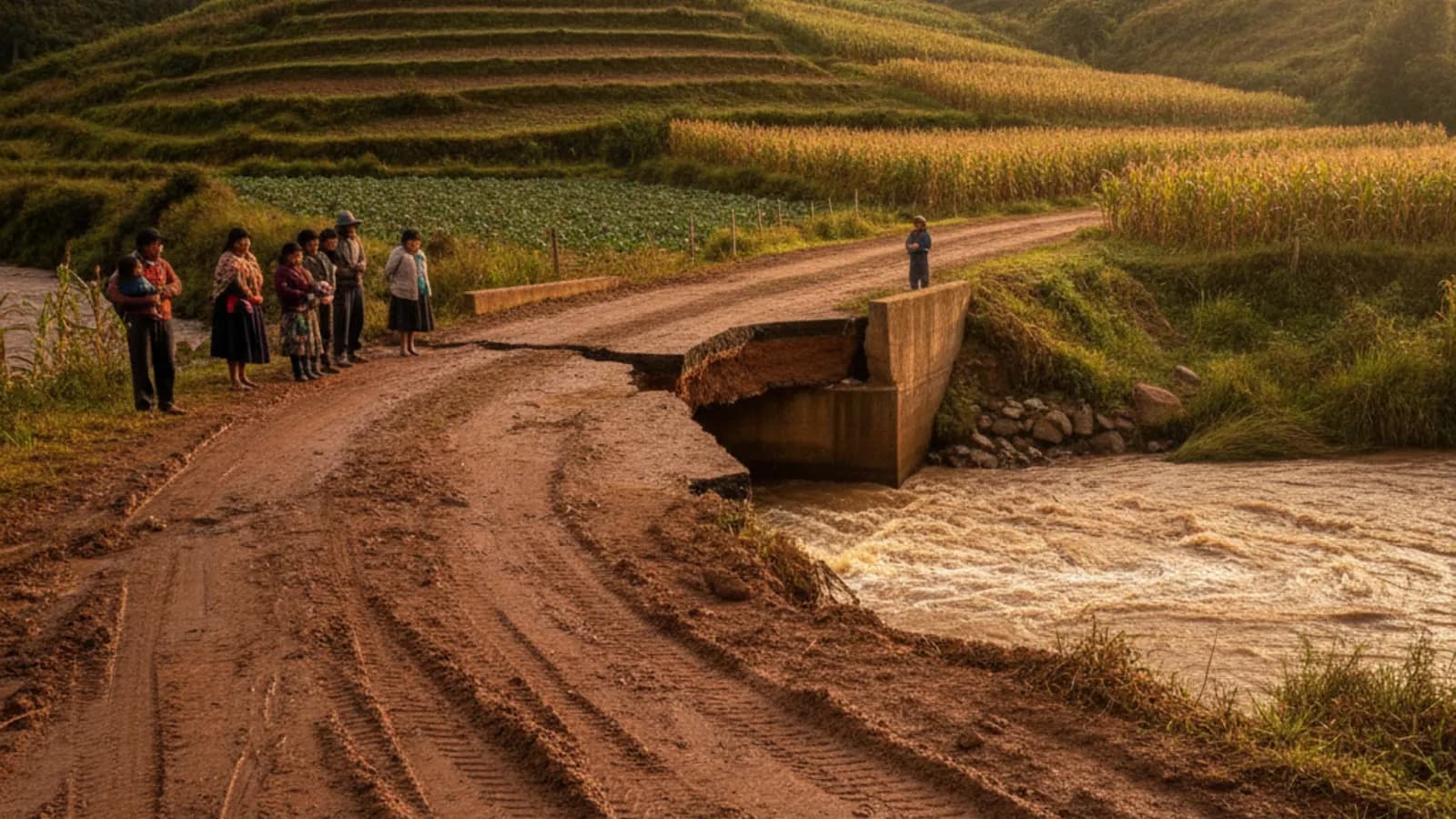
Molleturo's coastal zone is dealing with the kind of winter damage that changes daily life fast: broken bridges, cut-off communities, lost crops and longer trips for basic movement.
Heavy rain and river overflows have caused a serious emergency in Molleturo, the rural Cuenca parish in Azuay that borders Guayas and El Oro.
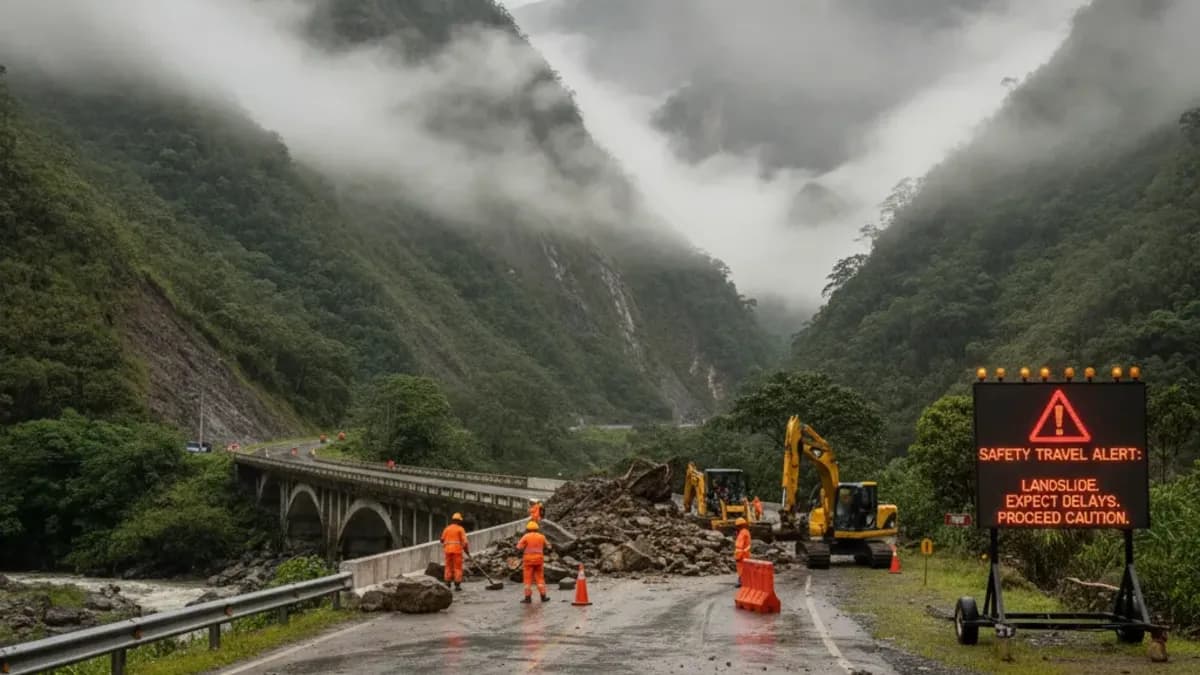
The worst flooding came in two waves: between the night of March 9 and the early morning of March 10, and again on Sunday, June 7. Those floods destroyed bridges, roads, homes, pastureland and crops, leaving entire communities practically isolated.
What Was Damaged
The rivers Aguacate, Chaucha, Balao and Pijili rose to levels residents say they had never seen before.
One of the biggest losses is the bridge that connected San Jose del Recreo with El Carmen de Pijili, in Camilo Ponce Enriquez. That bridge was about four decades old and was reduced to rubble by the force of the water.
Holter Pesantez, a rural councilor in Camilo Ponce Enriquez, confirmed that winter conditions caused the collapse of the bridge connecting that canton with Molleturo. Another vehicle crossing and a pedestrian bridge were also destroyed.
That has left communities without normal land access. Students, older adults and workers are now relying on improvised tarabitas built by residents. Children cross suspended over the river to get to class.
Longer Trips and Higher Costs
The municipality of Camilo Ponce Enriquez has sent machinery to channel the Pijili River and reduce immediate risk, while local leaders have asked the Azuay Prefecture for two new crossings.
For now, people who need to leave the area are taking much longer routes. Some trips now take between one hour and one and a half hours by alternate roads.
Luis Landivar, a resident of San Jose de El Recreo, said a truck ride that previously cost around $10 can now reach $40 because of the longer routes.
Communities including Calderon, San Jose del Recreo, Bella Maria, Hermano Miguel, San Jose, La Gloria, Liberia, Aguacate and Tres Marias are having trouble moving people, transporting food and getting agricultural production out.
A trip to El Carmen de Pijili that used to take about 15 minutes can now take more than one and a half hours.
Why Cuenca Should Pay Attention
The affected zone is agricultural and productive, with cattle, pigs, cacao, corn, oranges, mandarins and other products depending on transport routes.
In La Iberia, Freddy Pacheco said the Chaucha-La Iberia road was also affected. That route can serve as an alternative connection between Cuenca and Guayas when the Cuenca-Molleturo-El Empalme road has problems.
Pacheco estimates about 500 families, or roughly 2,000 people, are directly affected.
There is also direct family loss. Mesias Minchala said flooding destroyed his home, dragged away animals and much of his land, and forced him to leave with his family. He is now staying in the La Liberia UPC with his wife and four children, ages 4, 9, 15 and 18.
For Cuenca residents, the takeaway is simple: winter damage in rural Azuay is not just a rural inconvenience. It can affect travel, food movement, family visits and emergency access for communities tied closely to the city.
Keep Cuenca's daily expat briefing independent.
Reader support helps pay for reporting, translation, editing, hosting, and the daily work behind CuencaExpat.