Noboa Visits Cuenca, Launches 90,000-Slot Youth Job Training Program

The President Was in Town
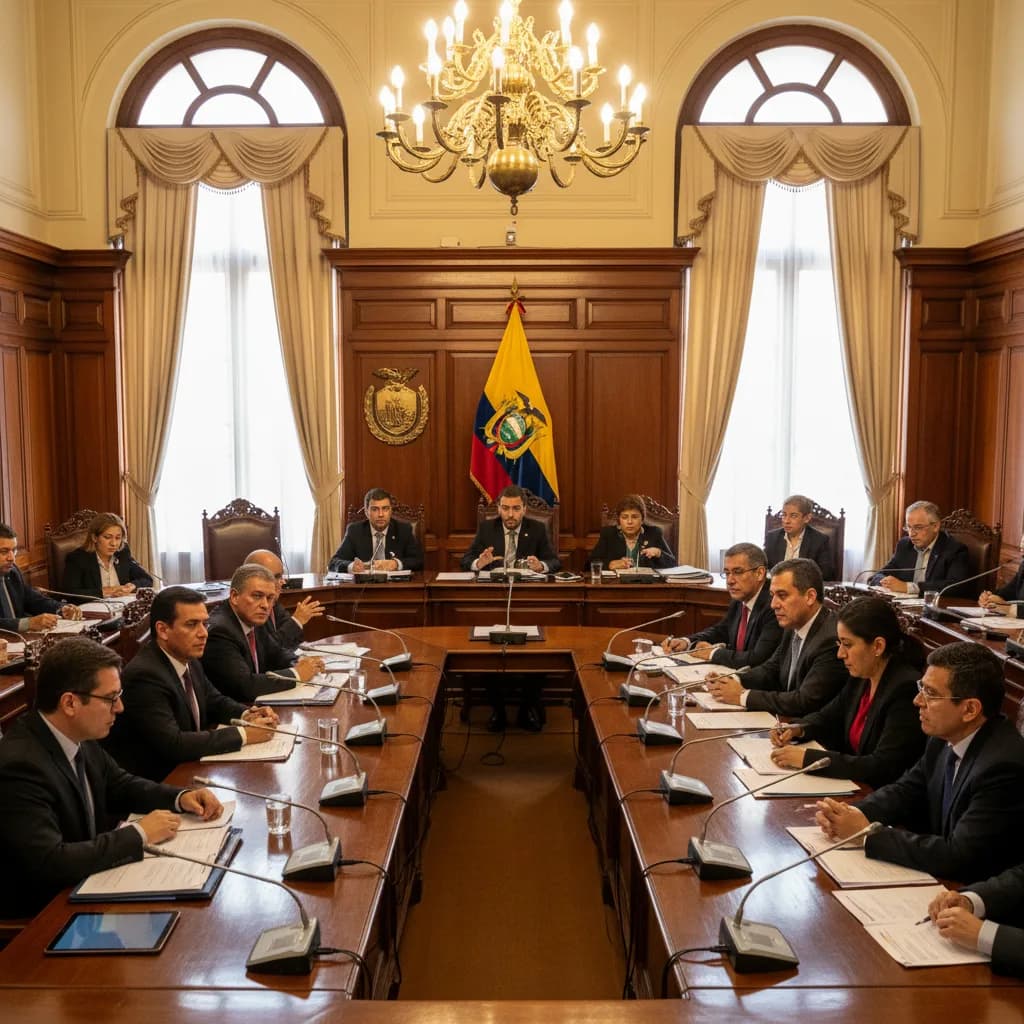
President Daniel Noboa visited Cuenca on March 31 and April 1, making several announcements that are worth paying attention to -- particularly around employment, healthcare, and infrastructure spending in the region.
Presidential visits to Cuenca are always a mix of national policy announcements and regional promises. Here's what he said, what it means, and what we'll be watching.
The Headline: "Compromiso por el Empleo"
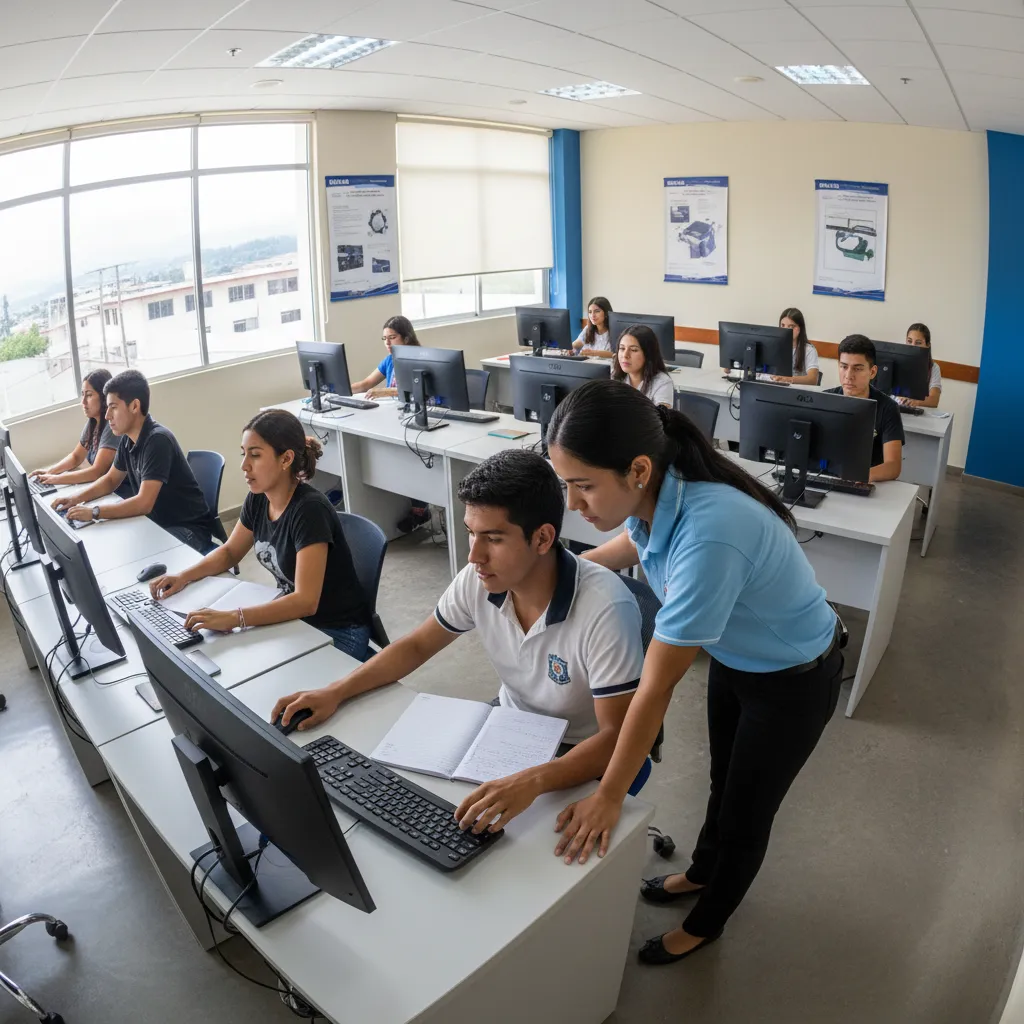
The centerpiece announcement was the launch of "Compromiso por el Empleo" (Commitment to Employment), a national free vocational training program targeting young people and unemployed workers. The numbers:
- 90,000 free vocational training slots nationally
- First phase: 28,000+ participants already enrolled
- Training programs run 60-90 hours each
- Courses available in: entrepreneurship, sales, digital marketing, web programming, business competitiveness, agriculture, gastronomy, electrical work, commerce, and carpentry
The program is paired with the "Encuentra Empleo" platform, which is designed to connect trained participants with employers. The idea is training-to-placement: teach practical skills, then funnel graduates into actual jobs.
Noboa also highlighted that 29,000+ young people in Azuay have already been placed in employment through related government programs -- a number meant to demonstrate that the approach is working in this region specifically.
Healthcare Investments
Several health-related announcements were made during the visit:
- $9.5 million for improvements to rural health clinics nationally, with $500,000 allocated specifically for Azuay
- 197 rural health dispensaries to be reactivated across the country
- Focus on closing the healthcare access gap in rural communities
For a region like Azuay, where many communities outside Cuenca proper have limited healthcare access, this is significant. The reactivation of rural dispensaries addresses a real and persistent problem.
Infrastructure Spending
Noboa announced:
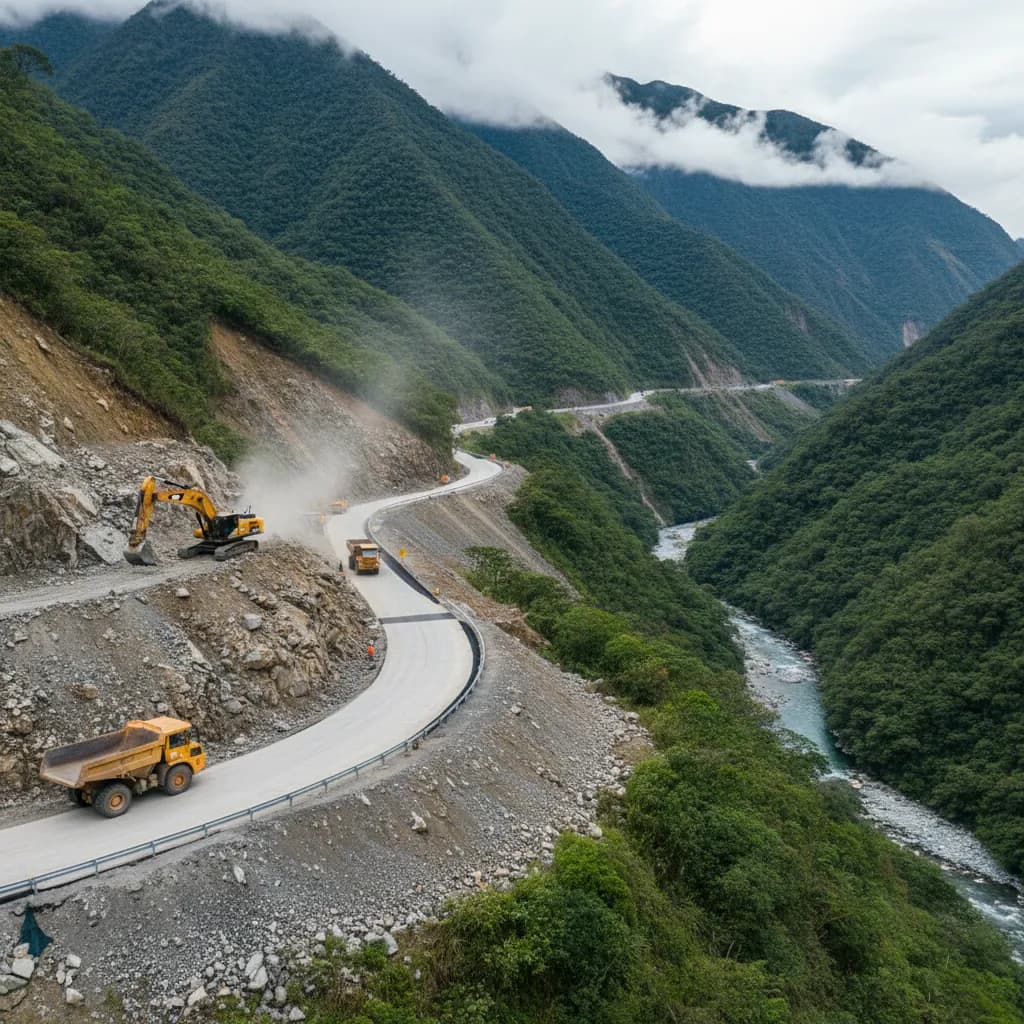
- $169 million in road improvements across the region
- $20 million in agricultural production credits
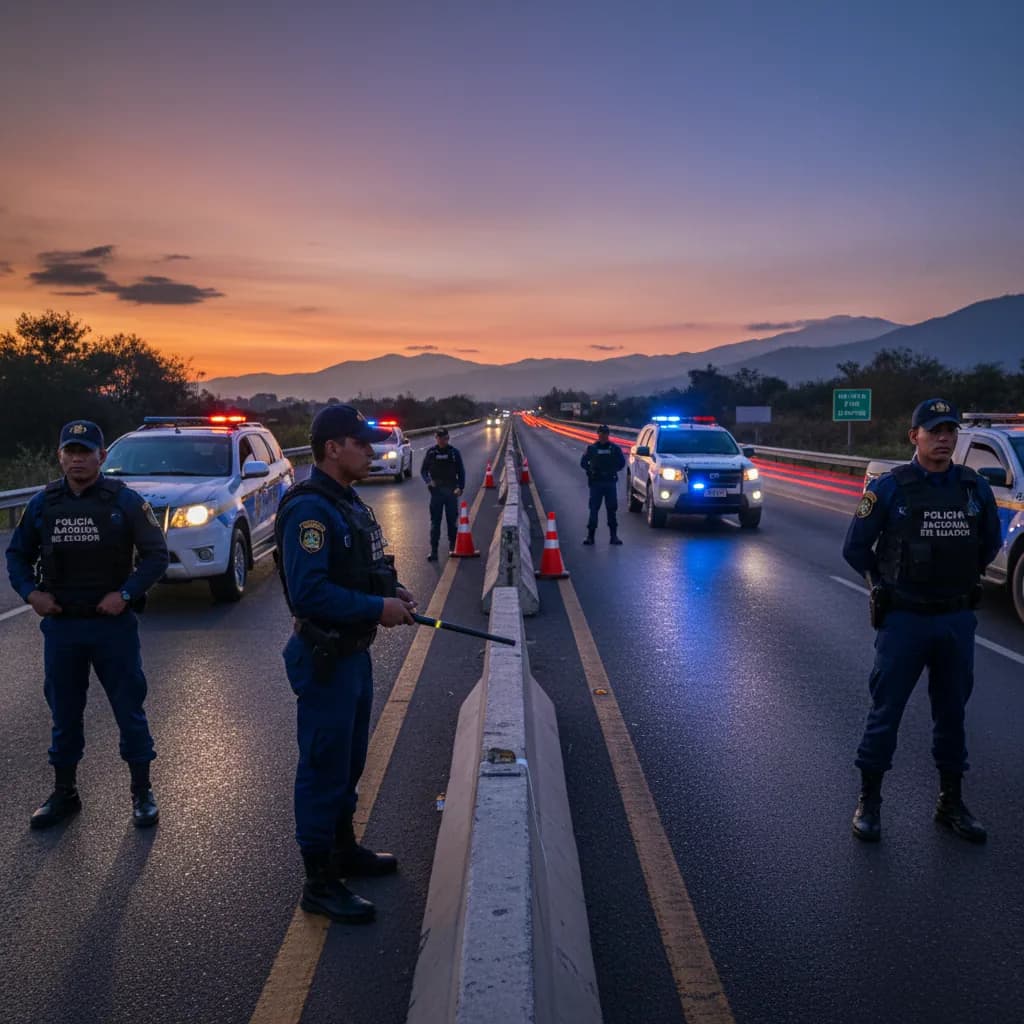
The road spending is particularly relevant given the ongoing infrastructure challenges in and around Cuenca -- the El Valle sinkhole, the Puente Ochoa Leon closure, highway night closures on the Cuenca-Azogues route. Whether this new funding will address those specific issues or go to other projects remains to be seen, but the scale of the commitment is substantial.
Where He Went
Noboa visited two educational institutions during his time in Cuenca:
- Unidad Educativa Manuela Garaicoa de Calderon
- Unidad Educativa Herlinda Toral
Both are significant public schools in Cuenca, and the visits served as the backdrop for the employment and education-focused announcements.
The Footnote: Off to Washington
One detail worth noting: Noboa departed Ecuador on April 2 for the United States, where he'll be through April 6 for what his office described as "personal matters." A six-day trip abroad for personal business, immediately after a domestic policy tour, is the kind of thing that generates commentary in Ecuadorian media. We'll leave it at that.
What This Means for Expats
- The job training program could benefit your household. If you have an Ecuadorian spouse, partner, or family member who's looking for work or wants to develop new skills, the Compromiso por el Empleo program offers free 60-90 hour courses in practical fields. Digital marketing, web programming, and gastronomy are particularly marketable skills in Cuenca's economy
- The Encuentra Empleo platform is worth bookmarking if anyone in your household is job-hunting. Government job placement services in Ecuador have historically been hit-or-miss, but having a centralized platform is an improvement
- Rural health clinic improvements in Azuay could improve access if you live outside the city center. Many expats have moved to communities like Yunguilla, Giron, or Santa Isabel where local health infrastructure is limited. More functional rural dispensaries means shorter trips for basic care
- $169 million in road improvements should eventually mean better highway conditions, but don't expect overnight changes. Infrastructure spending in Ecuador typically moves slowly from announcement to completion. We'll track specific projects as they're identified
- Agricultural credits won't directly affect most expats, but they support the local farming economy that produces the fresh, affordable food you buy at Feria Libre and the markets
- Presidential promises in Ecuador should be taken as directional, not guaranteed. Announcements during visits are part aspiration, part political performance. The funding numbers are real, but the timeline and execution are always the question marks. We'll follow up on what actually materializes
Cuenca got attention from the national government this week. Now we watch to see what follows.
Sources: El Mercurio, Vistazo
Keep Cuenca's daily expat briefing independent.
Reader support helps pay for reporting, translation, editing, hosting, and the daily work behind CuencaExpat.