Loading...
Stories, tips, and insights from the expat community in Cuenca
Search results for “agriculture”Clear search
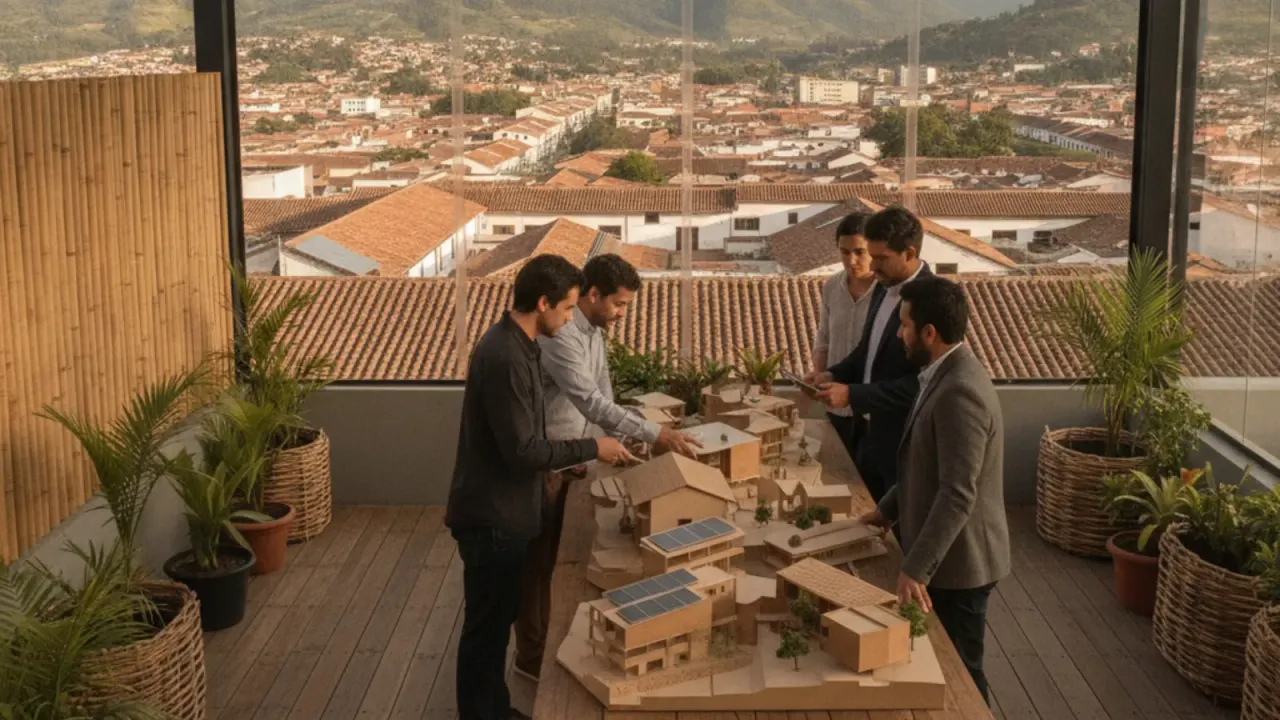
The Universidad de Cuenca's agronomy program marked 47 years this week. It started in 1979 with just 39 students and has quietly become one of the Austro region's most important agricultural-knowledge institutions. Rector Rodrigo Mendieta was at the commemoration.
President Noboa was in Cuenca March 31-April 1, announcing a national free vocational training program with 90,000 slots, $9.5 million for rural health clinics, and $169 million in road improvements. He also mentioned 29,000 young people already employed in Azuay. Here's what matters for expats.
Published on World Water Day, experts are warning that Cuenca could face a water supply deficit by 2050 if the city doesn't invest in reservoirs and better watershed management. The discussion is getting serious — here's what's at stake.
GDP growing at 2%, inflation at just 1.5%, a new US trade deal boosting exports, and the basic salary up to $482/month. Here's what Ecuador's 2026 economy actually looks like — and why it matters if you live here.
While the headlines scream about Ecuador's coastal violence, a quieter story is being missed: dozens of cantons across the Sierra recorded no homicides at all last year. Cuenca's among the safest cities in the country, and the data backs it up.
Ramón Pucha spends days alone in the jungle collecting seeds from endangered trees. His wife plants them. His son gives tours. The government calls their farm a 'living laboratory' — but won't fund it. Their story says a lot about Ecuador right now.