Loading...
Stories, tips, and insights from the expat community in Cuenca
Search results for “passport”Clear search
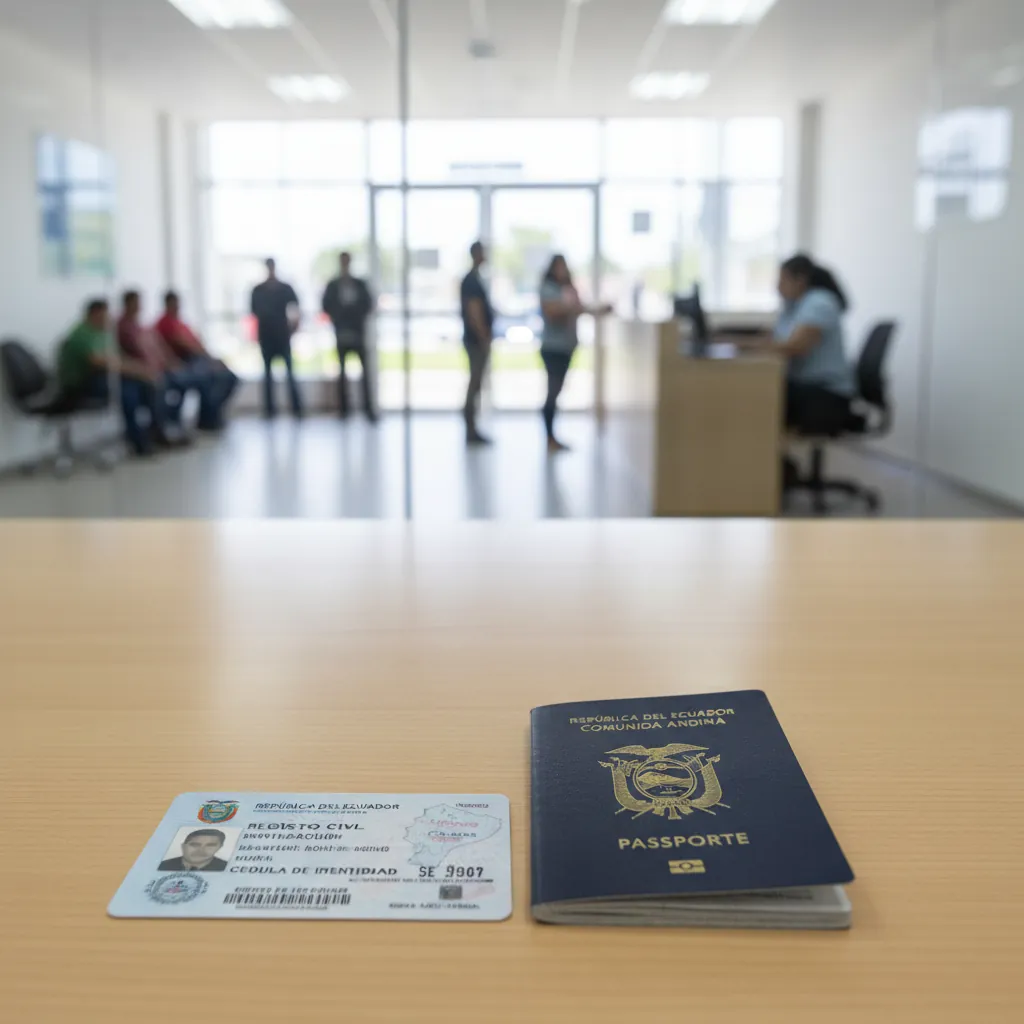
Great news if you've been procrastinating on renewing your cédula or getting a passport: Registro Civil has extended walk-in service (no online appointment needed) through July 31, 2026. Just show up, pay, and get it done — including at Cuenca's San Blas agency, where passports are ready in about 30 minutes.
Ecuador declared a 60-day national state of emergency on March 12 after devastating floods and landslides hit 190 cantons across the country. Over 200,000 people have been affected, and Cuenca is dealing with significant cleanup. Here's what you need to know and how to stay safe.
Your cédula is your Ecuadorian ID card — you need it for everything from opening a bank account to enrolling in IESS. Here's exactly how to get it after your visa is approved.
Confused by Ecuador's visa options? Here's a clear comparison of the Rentista, Investor, Professional, and Amparo visas — requirements, costs, processing times, and which one fits your situation.
Everything expats need to know about IESS (Ecuador's public health insurance) in 2026 — enrollment, costs, what's covered, appointment wait times, and whether it's worth it vs. private insurance.
Ecuador's Health Ministry just extended the national flu vaccination campaign by 60 days. Free flu shots are available at all 1,900 public health centers, public hospitals, and IESS facilities — no appointment needed. Respiratory viruses are circulating above normal levels. Here's what you need to know.
A new curfew hits four coastal provinces from March 15-30, and the US military is joining Ecuador's war on drug cartels. Here's what it means for you — even if you live in the highlands.
Opening a bank account in Ecuador isn't hard — but the requirements vary wildly between banks. Here's what Banco Pichincha, Banco del Austro, JEP, and other institutions actually ask for, and which ones are easiest for expats.
Over 700,000 people in Ecuador need to file income tax returns by March. If you earned more than $12,081 last year — including rental income or freelance work — you're probably one of them. Here are the dates, thresholds, and what you need to know.